



Day one: the walk-around and the road test
Every car that comes to us, whether it was traded in, bought from a customer, or bought at auction, gets looked at before anyone decides what to do with it. I start with the obvious: tires, brakes, lights, glass, fluids, and anything that is leaking, cracked, or missing. Then it goes out on the road. A car can look fine in the bay and tell you everything on the Sagtikos: a pull to one side, a shudder under braking, a transmission that hunts for a gear.
The history report comes next, not last
Before any money goes into a car, we pull the Carfax. If the report shows something that does not match what we see, that is a conversation, not a surprise for a customer later. A car with a history we are not comfortable standing behind does not get reconditioned; it gets sent on. The report you see on the vehicle page is the same one we used to make that call.
Fixing what needs fixing
The road test and inspection turn into a list. Some items are safety and not optional: brakes, tires below the wear line, a check-engine light with a real cause behind it. Some are judgment calls on an older car, and the rule there is simple: if we would not want to explain it to the buyer, we fix it. Everything on the list is done before the car is priced, because the price has to reflect the car we are actually selling.
The detail, and only then the photos
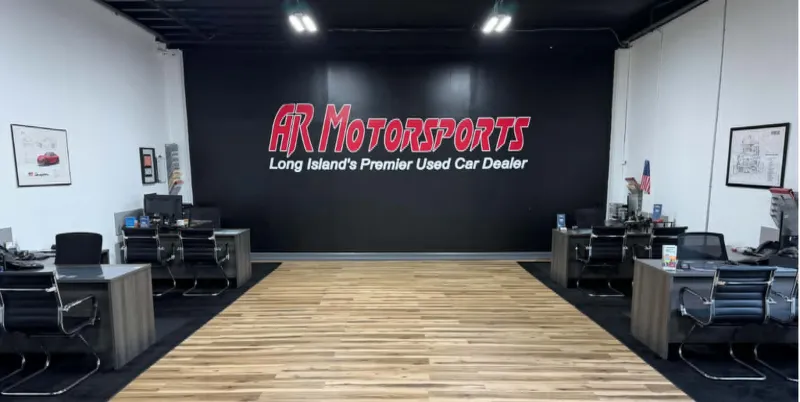
Last comes Elmer's department. A detail is not makeup for a tired car; it is the final check, because you find things with a car that clean that you miss with a dirty one. Then the photos get taken, the listing goes up, and the car moves into the showroom. If you want to know what was done to a specific car before it was listed, ask. We keep the list, and we would rather show it to you than have you wonder. You can see what has just come through on the inventory page.