


Last Updated: November 2026
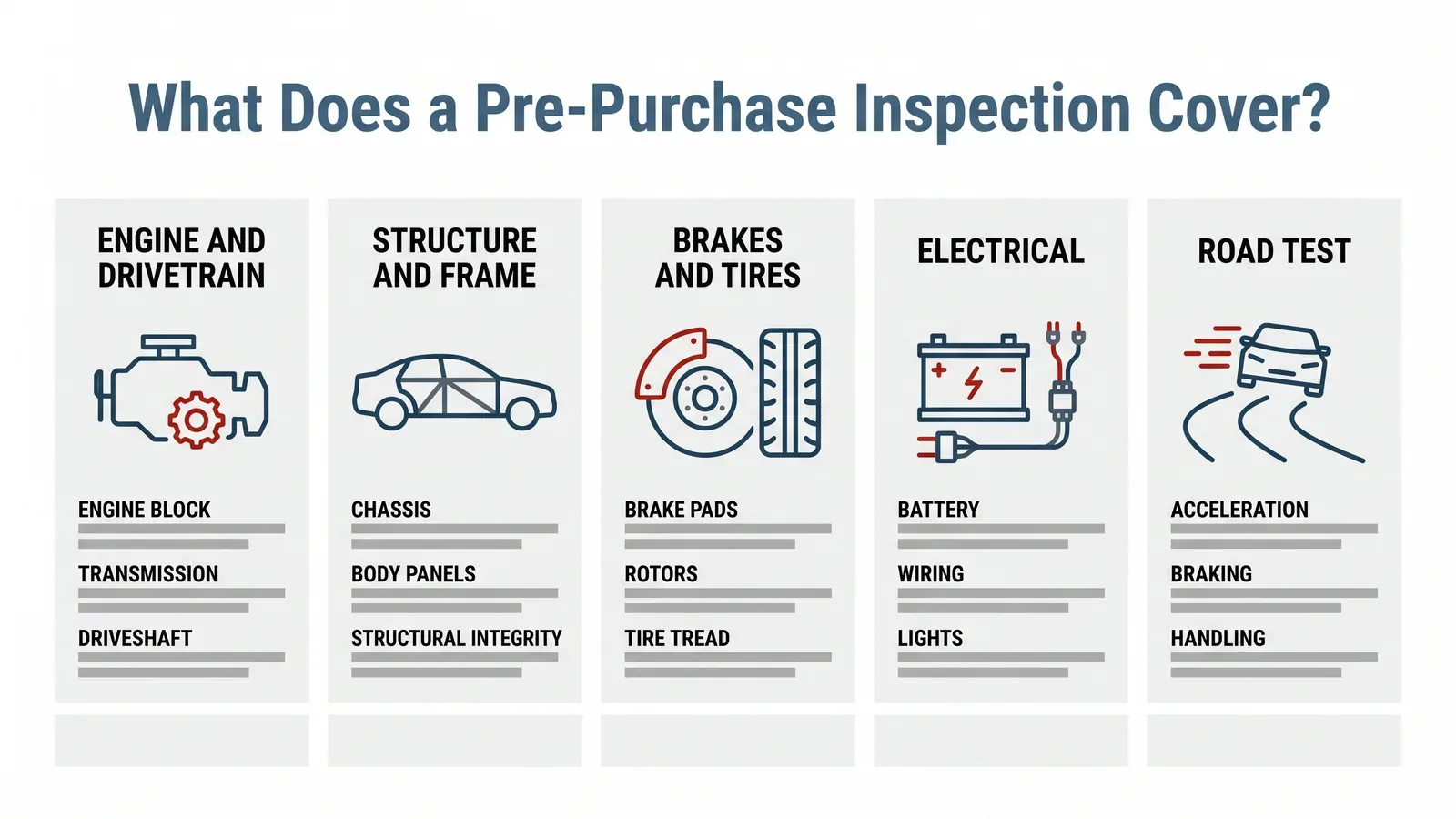
A pre-purchase inspection is a mechanic's examination of the engine and drivetrain, the frame and body, the brakes and tires, and the electrical system. It gives a clear view of a car's mechanical state and helps you avoid costly surprises. AR Motorsports publishes its approach to vehicle history on the website.
Local buyers in Suffolk and Nassau County often rely on these checks to confirm the quality of older inventory. Mechanics look at engine health, frame damage and fluid leaks. That is how they verify a car is safe for the road. Knowing a car's history is a vital step for any shopper. These inspections help you make an informed choice rather than guessing about the longevity of the engine or transmission.
AR Motorsports has sold used cars since October 2018 and holds an A+ rating with the BBB. They offer extended warranty coverage starting at 3 months or 4,500 miles. Longer terms are available depending on the vehicle and plan. Review the inspection results and the vehicle history report before you commit.
Key Takeaways
1. Detailed Mechanical Check: A pre-purchase inspection covers the engine, transmission, frame, and electrical systems.
2. Choose Independent Experts: Always hire an ASE-certified mechanic to provide an unbiased report.
3. Physical Inspection Necessity: A clean CARFAX report shows history but cannot replace a hands-on check.
4. Negotiation Tool: Use a bad report to request repairs or a lower price.
5. Comprehensive Assessment: A full inspection checks your brakes, tires, and overall vehicle condition.
What does a PPI checklist include?
A pre-purchase inspection checklist includes an extensive review of a car's mechanical, safety, and cosmetic condition. A qualified technician examines the frame and all major systems. The aim is to confirm the car is safe for the road. They look for evidence of past accidents, flood damage, or poor repairs that might impact safety or future value.
The technician will check the engine and transmission for leaks or irregular noises during a test drive. They inspect the brake pads and rotors. Both need enough life left for safe stopping power. The review covers the battery, alternator and electrical systems. Each is tested to confirm it works. They scan the onboard computer for diagnostic trouble codes that indicate hidden sensor or performance issues. You can schedule a test drive to evaluate these components yourself. A free CARFAX report comes with every vehicle, so you can review the history before you buy. New York also requires an annual safety inspection, according to the New York DMV (2026).
What major red flags can a PPI uncover?
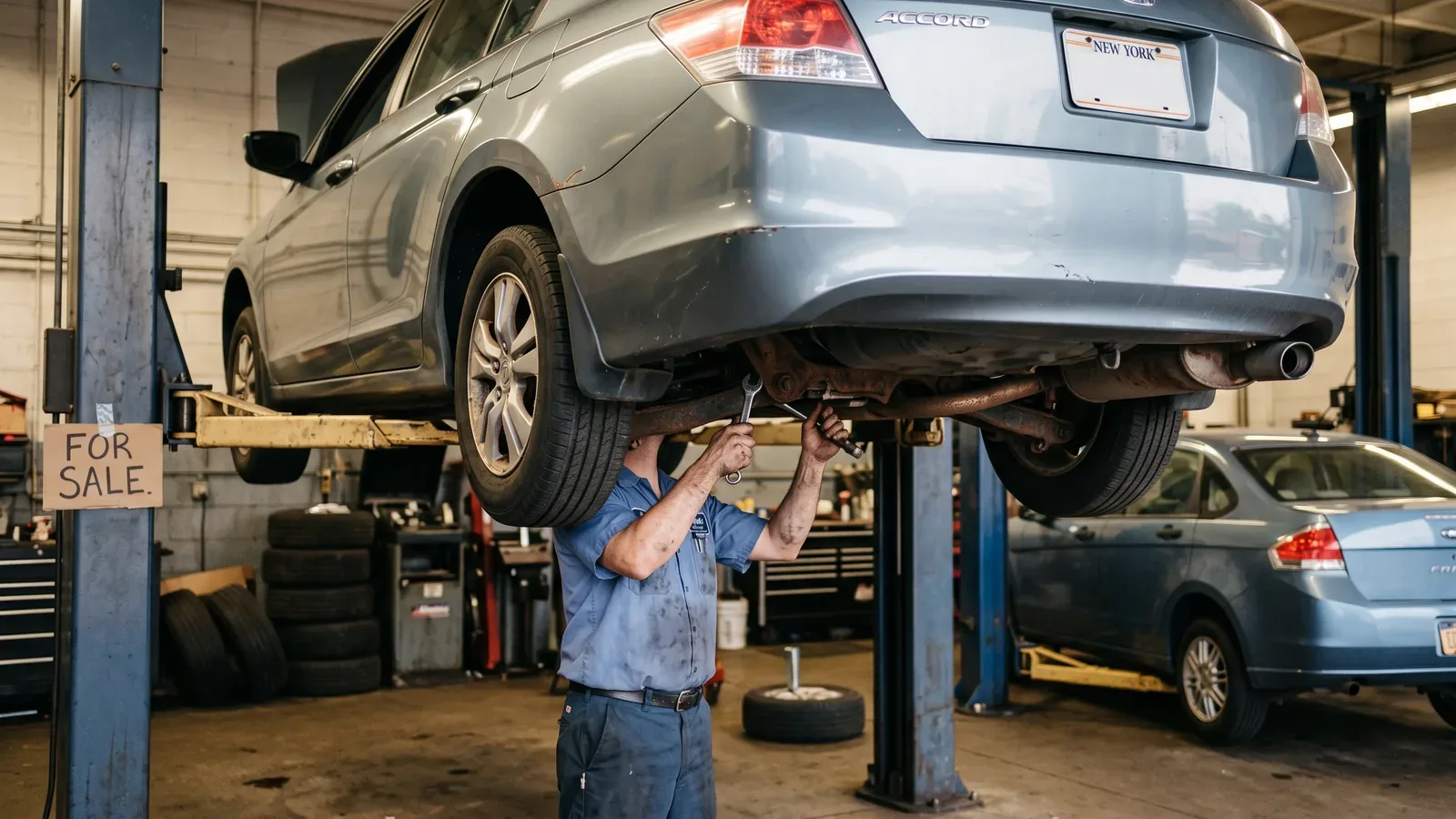
A pre-purchase inspection uncovers hidden frame damage, water exposure and mechanical neglect. Any of the three can end a deal. A trained mechanic can spot issues that a quick glance misses. They look for mismatched paint or wavy body panels that suggest a car underwent an unreported collision. Rust in unusual spots or a musty odor inside the cabin often points toward past flood damage. Professionals also check for inconsistencies in wear that hint at odometer tampering. According to CARFAX, vehicles flagged for potential rollback lose an average of about $3,300 in market value. Serious issues with the engine or transmission often remain invisible until a pro puts the car on a lift. AR Motorsports lists a free CARFAX report for every vehicle in its used car inventory.
How do you find a reliable mechanic for a PPI?
To find a reliable mechanic for a pre-purchase inspection, you should choose an independent repair shop with ASE-certified technicians. A neutral professional provides an unbiased assessment of the car's true condition. Avoid using a mechanic suggested by the seller. They may have a personal or professional bias.
Search for local shops in Suffolk or Nassau County that focus on the specific make of the car you are considering. You should call the shop directly to verify they have experience performing pre-purchase inspections. Ask what their inspection process covers, such as the condition of the engine, transmission, and frame. A thorough check tells you the likely repair costs before you sign. Reviewing a history report is also vital. AR Motorsports includes a free CARFAX with every vehicle. You can check for past accidents or title issues before you schedule a test drive.
How much does a PPI on Long Island cost?
A pre-purchase inspection on Long Island typically costs between $150 to $300, depending on the specific shop and the car. A basic check for a standard sedan usually lands at the lower end of that price range. You will pay more for a full inspection on a luxury car, a complex European model, or a heavy-duty truck. These cars require specialized tools. A technician also needs extra time to scan proprietary systems.
Shops charge these fees to cover the time their staff spends on the lift and the road test. Because many European models feature specific engine designs, some mechanics charge a premium for their expertise. You should always ask for a quote before the shop starts the work in either Suffolk or Nassau County. Knowing the exact cost prevents surprises when you go to schedule a test drive.
Should you skip a PPI with a clean CARFAX report?
You should never skip a physical inspection just because you have a clean vehicle history report. A report is only as good as the data entered into the system. If a prior owner paid for repairs out of pocket or used a non-reporting shop, the record will show no incidents. This means unreported damage often hides behind a clean title status.
A report acts as a helpful starting point to track ownership and major insurance claims. However, it cannot tell you if the engine has a slow oil leak or if the transmission shifts poorly. Only a qualified mechanic can spot signs of recent poor repairs or aging parts that might fail next week. If the car has structural issues that never reached an insurance adjuster, the history report will remain clear.
You can compare features and mileage across the current inventory. Check the free CARFAX report to learn the history of each vehicle before you schedule a test drive. Open safety recalls are free to check by VIN, according to NHTSA (2026).
What are your rights after a bad PPI report?
If a pre-purchase inspection report reveals significant issues, you have the right to walk away from the sale entirely. You can also use the findings to negotiate a lower price that accounts for the cost of needed repairs. A detailed repair estimate from the mechanic gives you a clear, data-backed reason to ask the seller for a discount.
Not every seller will agree to these terms. A seller may refuse to adjust the price or fix the safety concerns. Be ready to walk away rather than absorb the cost later. A free CARFAX report comes with every vehicle. You can review the history before you commit to an inspection. Check the title status and owner count. Feel free to schedule a test drive to confirm the car meets your needs.
A qualifying used car carries a free written dealer warranty, according to the New York Attorney General (2026).
Frequently Asked Questions
What are red flags during a pre-purchase inspection?
A mechanic will look for signs of structural frame damage or evidence of a recent flood. Both are major risks. They check for uneven tire wear that signals poor alignment or suspension issues. Other red flags include leaking fluids and thick or dark oil. Watch for a check engine light cleared just before your visit. Any thick paint on the body may show that the car had hidden bodywork done after a crash.
Is it worth getting a pre-purchase inspection?
Yes, it is worth the cost to avoid buying a car with significant mechanical failure. A small repair bill caught now is far cheaper than a transmission failure or a broken engine later. This process provides a clear picture of what you are actually buying with your hard-earned money. It allows you to enter the final negotiation with facts rather than guesses.
How much is an average pre-purchase inspection?
Expect to pay between $150 and $300 for a thorough check in this area. Higher costs reflect time spent on specialized diagnostic equipment and road testing for particular makes. The figure varies with the shop and the complexity of the car. While it is an added cost, it helps you avoid buying a car that loses thousands in value through hidden damage. Set the money aside before you start shopping.
What all does a pre-purchase inspection consist of?
A full inspection starts with a lift check for rust and leaks. It then covers an engine analysis and a scan of the car's computer. The technician checks the brakes, tires, battery, and all lights. They also test the heating and cooling systems to ensure everything works for your commute. Most shops provide a written list of current issues and parts that might need replacement soon.
Who should perform a pre-purchase inspection?
You should hire an independent, ASE-certified mechanic who has no link to the seller. Using a neutral party is the only way to ensure the report reflects the true condition of the car. Avoid any repair shop that the seller suggests to you during the process. Look for shops that have experience with the specific brand of car you want to drive.
How long does a pre-purchase inspection take?
Most inspections take between one and two hours in a shop setting. The length depends on the age and complexity of the car being checked. Newer cars with extensive sensors may need extra time for a computer diagnostic scan. Clarify the expected turnaround when you book, especially if the seller has agreed to a limited window. Rushing an inspection defeats the purpose of paying for one.
Can you do a PPI on a car from a dealership?
Yes, you have the right to request an inspection for any vehicle you plan to buy. Professional dealers expect serious buyers to perform their own due diligence before a deal is final. If a seller refuses to let you take the car to a trusted local mechanic, you should walk away. A dealer that stands by its cars will welcome an independent set of eyes.
Does a PPI include a test drive?
Yes, a good inspection always includes a road test to find noises or performance issues that do not show up on a lift. The technician drives the car to feel how it shifts, steers and brakes under real conditions. This step is critical because it identifies problems like engine hesitations or suspension vibrations. Ensure your chosen shop includes a test drive as part of its standard service.
What if the seller won't allow a pre-purchase inspection?
If a seller refuses to let you have the car checked, you should consider that a major warning sign. Transparent sellers have nothing to hide and will allow the time for a professional assessment. A seller who says the car is in perfect shape but blocks your inspection attempt is likely covering up a problem. You should never feel pressured to bypass this protection, especially when buying on a limited budget.
Is a PPI different for an EV or hybrid?
Yes, electric and hybrid cars require a technician trained to handle high-voltage battery packs and electrical systems. The inspector must check the battery's health. They also check the cooling systems that keep it at safe temperatures. Traditional mechanics might not have the right tools for these components. Make sure the shop you select specifically advertises experience with hybrid or electric drivetrains.
Do you get a written report after a PPI?
You should always receive a detailed, written document at the end of the inspection. This report explains exactly what the technician found and provides an estimate for any needed repairs. It serves as your primary tool for negotiating a better price or verifying that the car is safe to drive. Never accept a verbal report. Always ask for a printed or digital copy for your records.
Executive Summary
A pre-purchase inspection covers five areas: engine and drivetrain, structure and frame, brakes and tires, electrical systems, and a road test. It is carried out by a mechanic you choose and pay, with no relationship to the seller. The inspection typically costs a small fraction of the car price. The output that matters is the written list of current and imminent faults. That list is useful whether you buy the car or walk away. Frame damage and flood evidence are the findings that most often end a purchase. A seller refusing an inspection is itself a result.
What Should You Do Next?
AR Motorsports inspects every vehicle on its showroom floor. Each listing publishes the owner count and CARFAX status. You can schedule a test drive and arrange your own independent inspection before you buy. Browse used cars under $10,000 in Suffolk, or see what to expect from a used car dealer in Suffolk County.
People Also Read
• Curbstoning: Spot Fake Private Sellers
• Which Models Under $5,000 Last Past 250,000 Miles?
About the Author
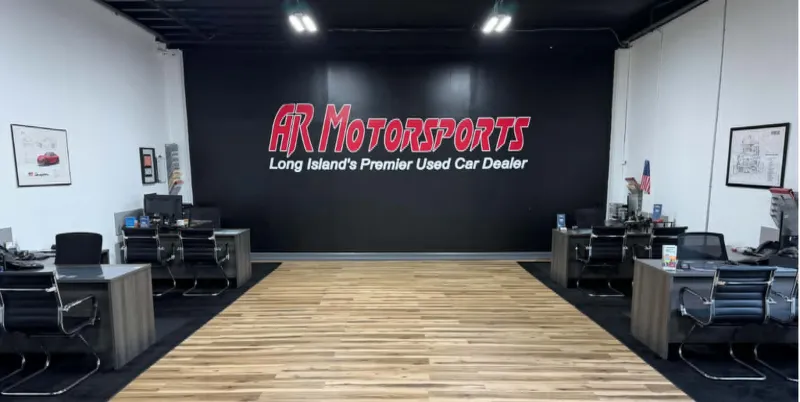
Angelo writes for the AR Motorsports team in Bay Shore, New York. The indoor showroom at AR Motorsports has served Suffolk and Nassau County since October 2018. Every vehicle comes with a free CARFAX report, so buyers read the history before they commit. AR Motorsports has held a BBB A+ rating since August 2023. The team works with buyers across every credit profile.
Expertise: Used Vehicle Sales, Vehicle History Reporting, Auto Financing, Trade-In and Vehicle Appraisal, Long Island Used Car Market
Connect: Facebook
Disclaimer: This article is for general information only and is not financial, legal, or tax advice. Vehicle availability, pricing, and terms change without notice. Financing is arranged through third-party lenders and is subject to credit approval, and not all applicants qualify. Vehicle history information comes from third-party reports, including CARFAX, and AR Motorsports does not guarantee that any report is complete. Confirm current details with AR Motorsports before making a purchase decision.